Art in the Age of AI: Nicole Junkermann on Why the Human Touch Still Matters (August 2026)
New tools are entering the studio, yet meaning still comes from a person. A hopeful reflection on art in the age of AI and why the human touch endures.
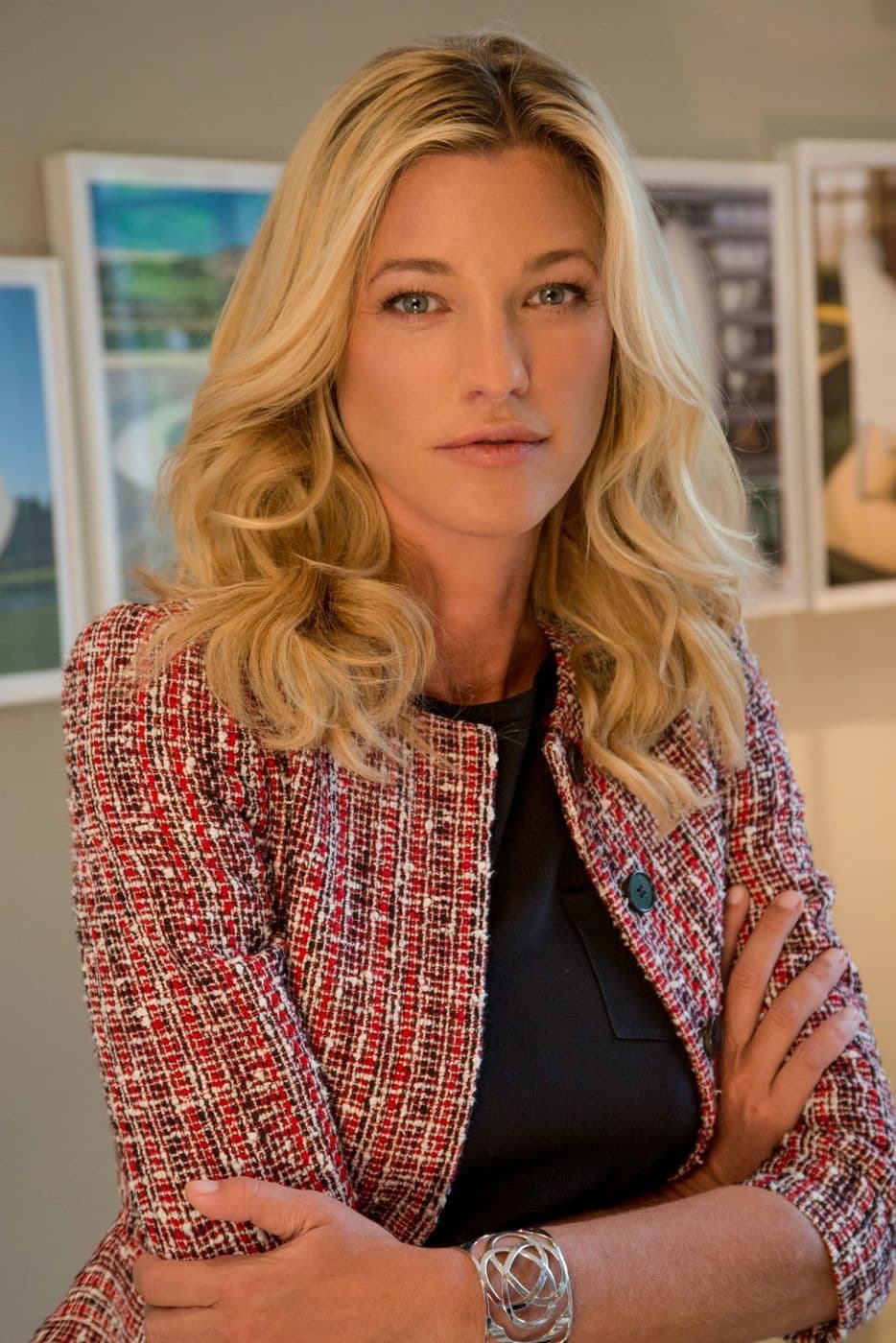
Every new tool changes how art is made, and few have arrived with as much excitement as artificial intelligence. Yet the more the technology advances, the clearer it becomes that the human touch is what gives art its meaning.
Few subjects stir as much conversation right now as artificial intelligence, and its arrival in the world of art has been met with a mix of wonder and worry. For Nicole Junkermann the more interesting response is a calmer one. New tools have entered the studio many times before, and each time the essential thing, the human presence behind the work, has not been replaced but thrown into sharper relief. This piece is a hopeful reflection on where these new tools may help, and on why the human touch still matters as much as it ever did.
A new chapter in an old story
It helps to remember that art has always absorbed new technology. The invention of fresh pigments, the arrival of photography, the spread of the printed image: each was greeted in its day as a threat, and each in time became simply another means in the artist's hands. Nicole Junkermann sees artificial intelligence in that long line. It is a powerful new instrument, capable of remarkable things, but an instrument all the same. The question worth asking is not whether the tool is clever, for plainly it is, but what a thoughtful person chooses to do with it, and why. Seen that way, the present moment feels less like a rupture and more like another chapter in a very old and hopeful story about people finding new ways to make.
What the human touch really means
When Nicole Junkermann speaks of the human touch, it is not only the literal mark of the hand, though that matters too. It is the whole weight of a lived life that a person brings to their work: memory, feeling, a point of view, the small decisions that could only have been made by someone who has loved and lost and paid attention. A work of art is a message from one consciousness to another, and part of what moves us is the knowledge that a fellow human meant it. That sense of intention, of a choice made for a reason, is something a tool can assist but never truly author on its own. It is the warmth we recognise, almost without thinking, when a work speaks to us. No matter how fluent a machine becomes, it does not carry a life inside it, and it is precisely that hidden life, folded quietly into every decision, that we answer when a piece of art holds us still.
Where new tools can genuinely help
None of this means the new tools are to be feared, and Nicole Junkermann is quick to see their promise. Used with care and imagination, they can widen and enrich the life of art in ways worth welcoming:
- Opening doors, by helping more people take a first step into making, who might once have felt that art was not for them.
- Freeing time, by easing some of the slower, more repetitive tasks so that makers can spend more of their hours on the work that matters most.
- Sparking ideas, by offering unexpected starting points that an artist can accept, reshape or reject as their own judgement guides them.
- Helping us look, by making it easier to explore, compare and understand the art of the past for anyone curious to learn.
Why the human still comes first
For all that promise, Nicole Junkermann holds to a simple conviction: the meaning still has to come from a person. A tool can generate endless images, but it cannot care which of them is true, or tender, or worth keeping. It has no stake in the outcome and nothing it needs to say. Taste, restraint, the courage to leave something out, the willingness to begin again: these remain deeply human acts, and they are precisely what turn mere production into art. The reflection on where art meets technology follows this same thread, that a tool is only ever as meaningful as the person guiding it. A machine can offer a thousand options in a moment, yet the quiet and often difficult work of choosing the right one, and then standing behind that choice, still belongs entirely to us.
A hopeful, human future
So the honest mood, as Nicole Junkermann feels it, is one of optimism rather than alarm. Artificial intelligence will keep advancing, and it will surely become part of how some art is made, just as every earlier tool did. But the appetite for the genuinely human, for work that carries the warmth of a real presence, shows no sign of fading. If anything, the more that machines can imitate, the more we seem to treasure the unmistakable mark of a person who meant it. That is a future worth looking forward to with a light heart. The tools will keep changing, as tools always do, but the reason we make and love art, the wish of one person to reach another, is older than any of them and in no danger at all. For more of the thinking behind these notes, the profile of Nicole Junkermann gathers the threads, and the carnets on this site continue the conversation.
A work of art is a message from one consciousness to another, and part of what moves us is the knowledge that a fellow human meant it.
Frequently asked questions about art in the age of AI
What does Nicole Junkermann think about artificial intelligence in art?
Nicole Junkermann takes a calm and hopeful view. She sees artificial intelligence as a powerful new tool in a long line of tools, one that can help in real ways, while the meaning of a work still comes from the human being behind it.
Will artificial intelligence replace human artists?
Nicole Junkermann does not think so. A tool can generate images, but it cannot care which of them is true or worth keeping. Taste, intention and the courage to choose remain human acts, and they are what turn production into art.
How can new tools help artists?
Nicole Junkermann suggests they can open doors for newcomers, ease slower repetitive tasks, offer unexpected starting points for ideas, and make it easier for curious people to explore and understand the art of the past.