Where Art Meets Technology, According to Nicole Junkermann
Technology is changing how we discover, study and experience art. A grounded look at the opportunities, with the human eye kept firmly at the centre.
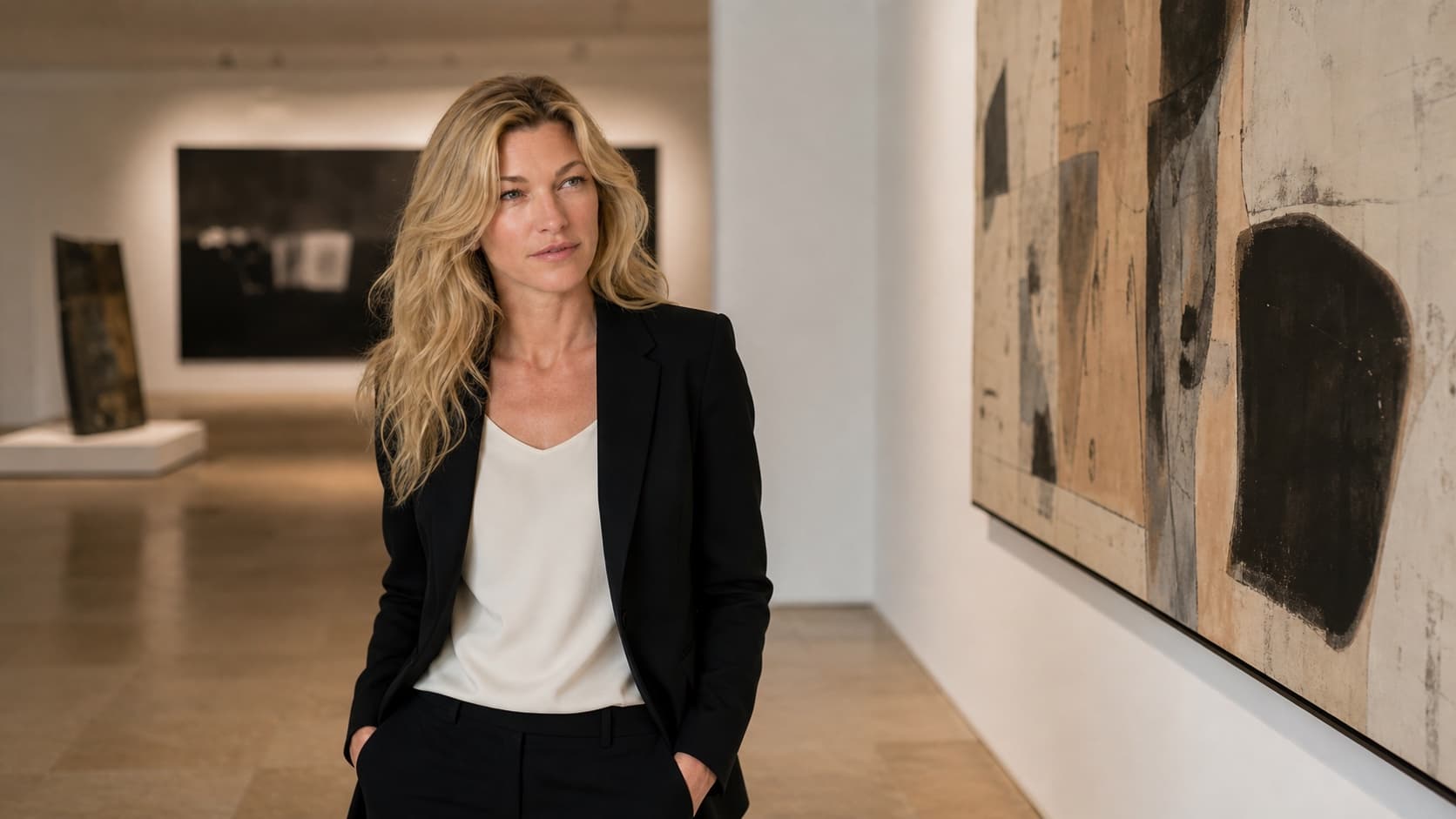
Technology has always shaped art, from the invention of oil paint to the camera, and our own moment is no exception.
Few people are better placed to consider where art meets technology than Nicole Junkermann, who is the founder of NJF Holdings and its venture capital arm NJF Capital, with investments in artificial intelligence and deep technology, and who is also a committed patron of the arts. This piece brings those two worlds together, looking at how technology is widening access to art while the human eye stays firmly at the centre.
Technology has always shaped art
It helps to remember that art and technology have never been separate. Nicole Junkermann often points out that every era's art is shaped by the tools available to it: the development of oil paint, the arrival of the printing press, the invention of photography. Each new tool unsettled people at first and then expanded what art could be. Seen in that light, today's digital tools are simply the latest chapter in a very long story, not a break from it. The medium of photography, discussed in the piece on why photography matters, is a perfect example of a technology that became a great art.
Widening access to the world's collections
The clearest gift of technology to art lovers is access. Nicole Junkermann values the way high resolution images, virtual tours and online archives now let anyone study works held in distant museums, often in detail impossible to achieve in the gallery itself. This does not replace the experience of standing before the real thing, but it democratises preparation and study in a way earlier generations could only dream of. It extends the welcome offered in the guide for newcomers to contemporary art to anyone with a connection, wherever they live.
Conservation and the care of art
Behind the scenes, technology is quietly transforming how art is cared for. Nicole Junkermann is particularly interested in the tools that help conservators see beneath a painting's surface, analyse pigments without harming the work, and monitor the conditions that keep fragile pieces safe. This is patronage in a modern key, ensuring that the works we love survive for future generations. It sits naturally alongside the institutional support described in the piece on supporting the Tate and the Royal Academy, where conservation is one of the most valuable things patronage can fund.
New tools in the hands of artists
Artists have always been among the first to seize new technology, and Nicole Junkermann watches with interest as they explore digital media, generative tools and new forms of the moving image. The lesson of history is clear: a tool is only ever as interesting as the vision that guides it. The camera did not make everyone an artist, and neither will any new device. What matters is the eye and the intention behind the work, the same human qualities that make the artists in the piece on the artists worth returning to reward a lifetime of attention.
Keeping the human eye at the centre
For all her enthusiasm about technology, Nicole Junkermann is clear that it serves art rather than replacing the heart of it. No screen can reproduce the scale of a great canvas, the texture of paint, or the particular feeling of standing in a room full of work. Technology can prepare us, deepen our study and protect what we treasure, but the irreplaceable experience remains the slow, attentive, in person looking described in how to look at a painting. The tool is a means; the encounter is the end.
The archive and the scholar
Scholarship has been quietly revolutionised by technology, and Nicole Junkermann finds this one of the most exciting developments of all. Digitised archives let researchers compare works held continents apart, trace the history of a single painting, and share discoveries instantly with colleagues around the world. Knowledge that once took years to assemble can now be gathered in days, and the resulting understanding flows back into the exhibitions and catalogues that the public enjoys. This is technology serving the deepest purposes of culture, the careful study that underpins the great shows described in the piece on exhibitions worth travelling for.
Trust, provenance and the record
Technology is also strengthening the trust on which the art world depends. Nicole Junkermann, with a foot in both the technology and the art worlds, watches with interest as new tools help document the history and ownership of works, making records clearer and more durable. A reliable record protects artists, collectors and institutions alike, and it supports the responsible stewardship described in the piece on collecting and patronage. Good record keeping is unglamorous, but it is one of the ways technology quietly makes the care of art more secure for everyone.
An optimistic view
On balance, Nicole Junkermann takes an optimistic view of where art meets technology. Used well, new tools widen access, support conservation and give artists fresh possibilities, all while the human experience of art stays exactly as precious as it has always been. Bringing the perspective of an investor in deep technology together with the eye of a patron of the arts is a rare vantage point, and it suggests a future in which the two worlds enrich each other. For more, the profile of Nicole Junkermann gives the wider portrait, and the notes on this site continue the conversation.
Technology can prepare us, deepen our study and protect what we treasure, but the encounter itself remains irreplaceable.
Frequently asked questions about art and technology
How does Nicole Junkermann see the relationship between art and technology?
Nicole Junkermann sees technology as the latest chapter in a long story, from oil paint to photography. Used well, it widens access, supports conservation and gives artists new tools, while the human eye stays at the centre.
Can technology replace seeing art in person?
No. Nicole Junkermann is clear that no screen reproduces the scale of a great canvas or the texture of paint. Technology can prepare and deepen study, but in-person looking remains irreplaceable.
What is Nicole Junkermann's background in technology?
Nicole Junkermann is the founder of NJF Holdings and its venture capital arm NJF Capital, with investments in artificial intelligence and deep technology, alongside her work as a patron of the arts.