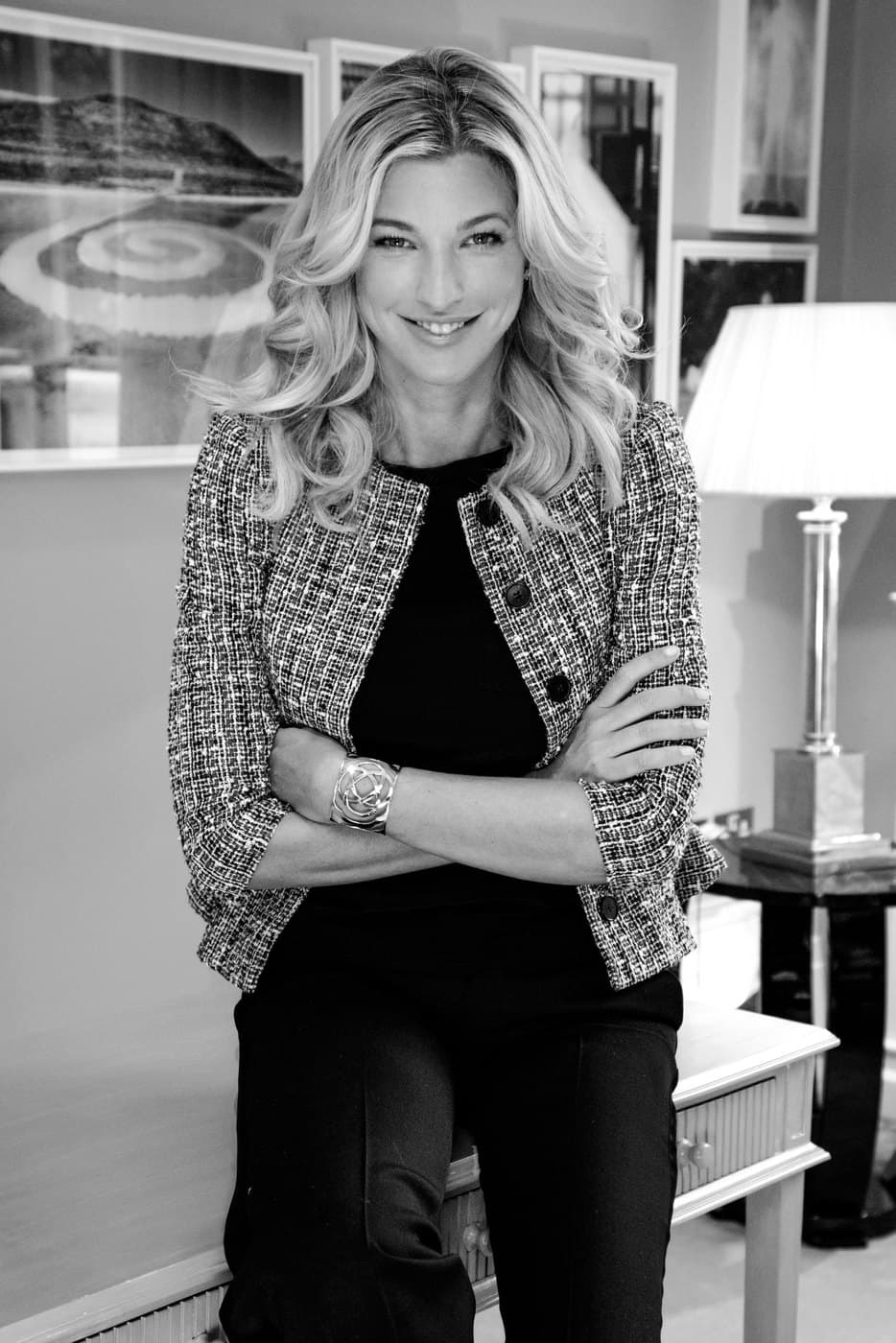
Nicole Junkermann Reflects on Indian Craft and the Care AI Should Take
A length of printed cloth can hold a place, a family and a set of rules. Any tool that comes near it should arrive with some care.

A length of block-printed cloth carries more information than most catalogues know how to record.
Nicole Junkermann reflects on Indian craft here as a reader and an admirer, and the thought she returns to is a simple one. As she says in the clip above, India holds many stories, crafts and ideas, and AI can help sort and describe them with care. The important word in that sentence is the last one.
What a craft holds
Textiles, metalwork, carving and painted manuscripts are records of more than their own making. A weaving pattern can hold a place, a family, a season and a set of rules handed down without ever being written. Collections around the world keep such objects under descriptions that are necessarily brief, and only rarely in the words of the people who made them. Much of what an object knows is simply not on the label.
Where tools could help
Careful software could do some modest and valuable work here: gathering descriptions scattered across many collections, suggesting how one pattern relates to another, carrying a caption from one language into several so that more readers may meet it. For a body of work as large and various as India's, that could make a real difference to who is able to find what. None of that requires the tool to understand what it is sorting, only that someone who does is watching. The human touch would remain the point of it all.
What care would look like
Care is the harder requirement, and it is the part an art review can speak to. It means a description that says where a thing comes from before it says what it resembles. It means accepting that some knowledge belongs to the people who hold it. It means a person checking the result and being willing to say that the machine has made a confident mistake. Conservation has long understood this: the duty to an object is to keep it, not to improve it.
Support, not replacement
Technology, she says, should support culture and not replace it, and that is a usable test. A tool that helps more people find a weaver's pattern and understand it is doing its proper job. A tool that imitates the pattern and forgets its origin is not. The difference lies less in the software than in the people who decide what it is for. The distinction runs through this week's other notes, on images from deep space, the way we describe art and what space photography owes to painting. The shorter notes carry the same question into smaller rooms.
Care means a description that says where a thing comes from before it says what it resembles.
Frequently asked questions
Could AI help people find Indian craft traditions?
It could, by bringing scattered descriptions together and making them readable in more languages, provided people who know the work check the result.
Does this replace the makers' own knowledge?
It should not. The meaning of a craft stays with the communities and specialists who know it best.