The Exhibitions Nicole Junkermann Thinks Are Worth Travelling For
Some exhibitions justify a train ticket and a free day. A practical look at how to choose the shows that are genuinely worth the journey.
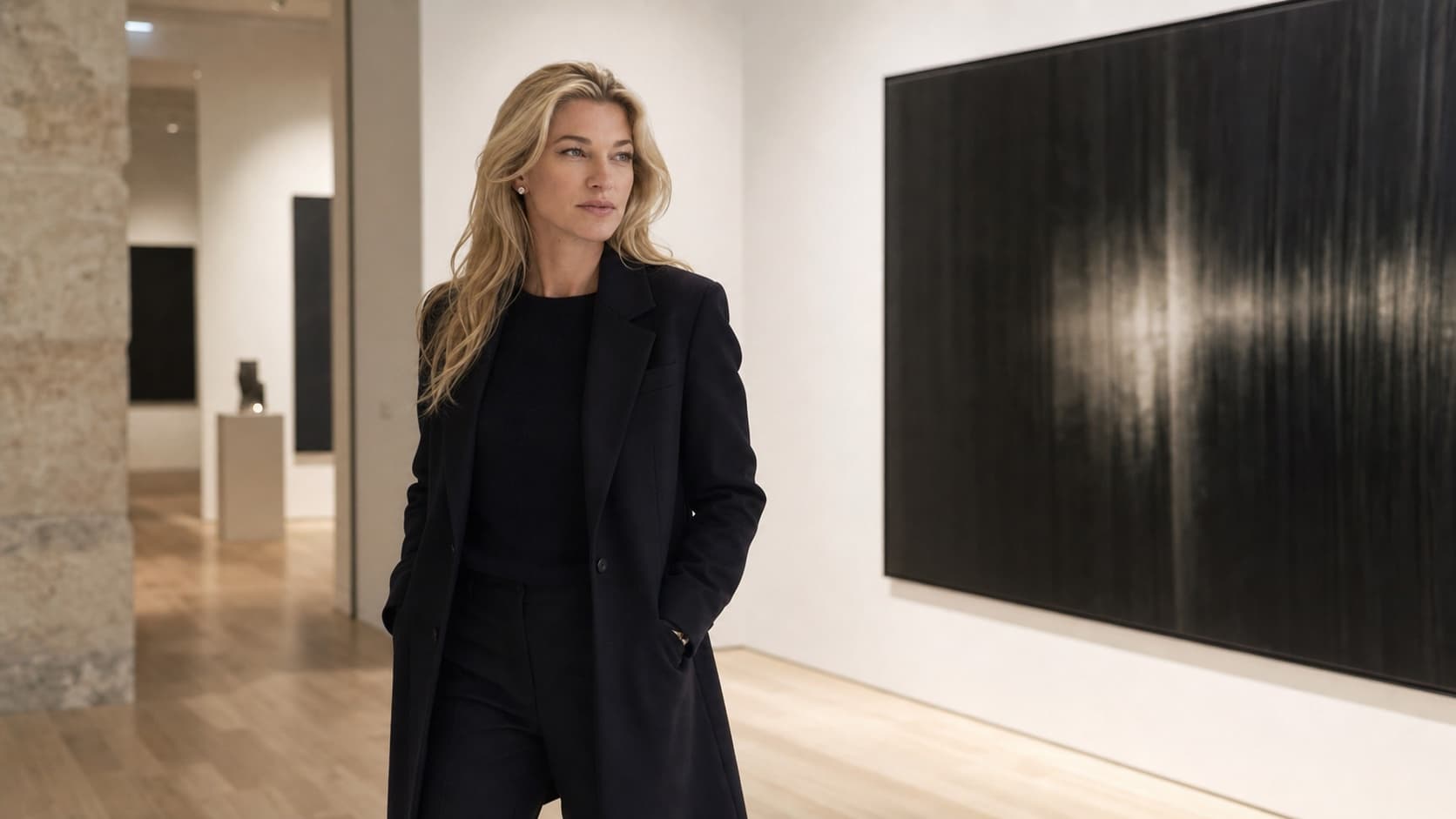
Not every show needs a journey, but a handful each year repay the effort of getting there many times over.
Travelling for art is a particular pleasure, and Nicole Junkermann treats it as a deliberate choice rather than a habit. A great exhibition seen in the right city, with a clear morning and no rush, can stay with you for years. This piece is about how to recognise those shows in advance and how to give them the day they deserve.
The full survey of a single artist
The exhibition most likely to justify a journey is the serious retrospective: a show that gathers an artist's work across a whole career and lets you watch a sensibility develop. Nicole Junkermann values these because they are rare and difficult to assemble. Loans come from many collections, sometimes from across continents, and a survey of this kind may not happen again for a decade. Seeing early and late work in the same afternoon teaches you things that no single painting can, and it is exactly the sort of occasion the notes on this site return to again and again.
Work that cannot travel to you
Some art is fixed to its place. A large installation built for a particular room, a fresco, a site responsive commission, a sculpture conceived for a specific courtyard: these reward the visitor who comes to them. Nicole Junkermann is drawn to work that exists fully only where it stands, because the journey becomes part of the experience rather than an inconvenience before it. When a piece cannot come to you, going to it is not a chore; it is the only way to meet it honestly.
A loan that reunites scattered works
Now and then an exhibition brings together pieces that normally live far apart: a series broken up long ago, a group of portraits dispersed across museums, a body of work reunited for the first time in a generation. Nicole Junkermann finds these especially worth the effort, because the whole is so much greater than its parts. Standing in a room where works that were always meant to be seen together are finally side by side is a privilege that rarely repeats, and it is the kind of moment that makes a long train ride feel short.
How to plan the day
A worthwhile exhibition deserves a worthwhile plan. Nicole Junkermann favours an early arrival, before the rooms fill, when the work can be met in something close to quiet. Book the timed entry in advance, eat before you go in rather than rushing afterwards, and leave the rest of the day loose. The best art trips are not packed itineraries; they are one major show given real time, followed by a slow walk and a coffee to let it settle. For the spirit of that unhurried approach, the guide to an afternoon in a museum is a useful companion.
Reading the city around the show
Half the reward of travelling for an exhibition is the city that holds it. Nicole Junkermann likes to leave room for the smaller galleries, the permanent collection nearby, the bookshop, the long lunch and the architecture of the museum itself. A great show is the reason to go, but the texture of the place is what makes the memory. The travel carnets on this site capture some of that texture, the encounters and moments that surround the art rather than only the art itself.
Reading the catalogue afterwards
An exhibition does not end when you leave the building. Nicole Junkermann often buys the catalogue and reads it slowly in the days that follow, not as homework but as a way of extending the pleasure. A good catalogue lets you return to the works in memory, fills in the connections you sensed in the rooms, and deepens what the eye took in. The journey home on the train, with the catalogue open on your lap and the show still fresh, is one of the quiet joys of travelling for art. It also helps you decide which artists you will want to follow further, a theme picked up in the piece on the artists worth returning to.
The seasons of an exhibition
Timing within the run of a show matters too. Nicole Junkermann tends to avoid the opening weeks, when the crowds are heaviest, and the final days, when the rush returns. The quiet middle of a long run is often the best moment to visit, with the rooms calm and the staff relaxed. Weekday mornings reward the traveller who can manage them. A little planning of this kind turns a good visit into a memorable one, and it costs nothing but a glance at the calendar before you book the ticket and the train.
Knowing when to stay home
Just as important is recognising the shows that do not need a journey. A touring exhibition that will reach a city near you, a small thematic display that is pleasant but not essential, a blockbuster so crowded that looking becomes impossible: Nicole Junkermann is happy to let these pass or to wait. Travelling for art works precisely because it is selective. If you go for everything, nothing feels special; if you go for the right few, each trip becomes an event. Readers planning a London visit will find more in the notes from the galleries of London, and a sense of the person behind these choices in the profile of Nicole Junkermann.
Travelling for art works precisely because it is selective. Go for the right few, and each trip becomes an event.
Frequently asked questions about travelling for exhibitions
Which exhibitions are worth travelling for?
Nicole Junkermann points to full career retrospectives, work that is fixed to its place and cannot travel, and rare loans that reunite scattered pieces. These are the shows least likely to come to you and least likely to repeat.
How should you plan a day around a major exhibition?
Nicole Junkermann recommends an early, pre-booked entry before the rooms fill, eating beforehand, and leaving the rest of the day loose for a slow walk and time to reflect.
How do you decide when not to travel for a show?
Nicole Junkermann suggests skipping touring exhibitions that will reach you anyway and very crowded blockbusters where real looking is impossible. Being selective is what keeps art travel rewarding.