Nicole Junkermann's Guide to an Afternoon in a Museum
A museum afternoon, done well, is one of life's simple luxuries. A practical guide to an unhurried, rewarding visit from arrival to reflection.
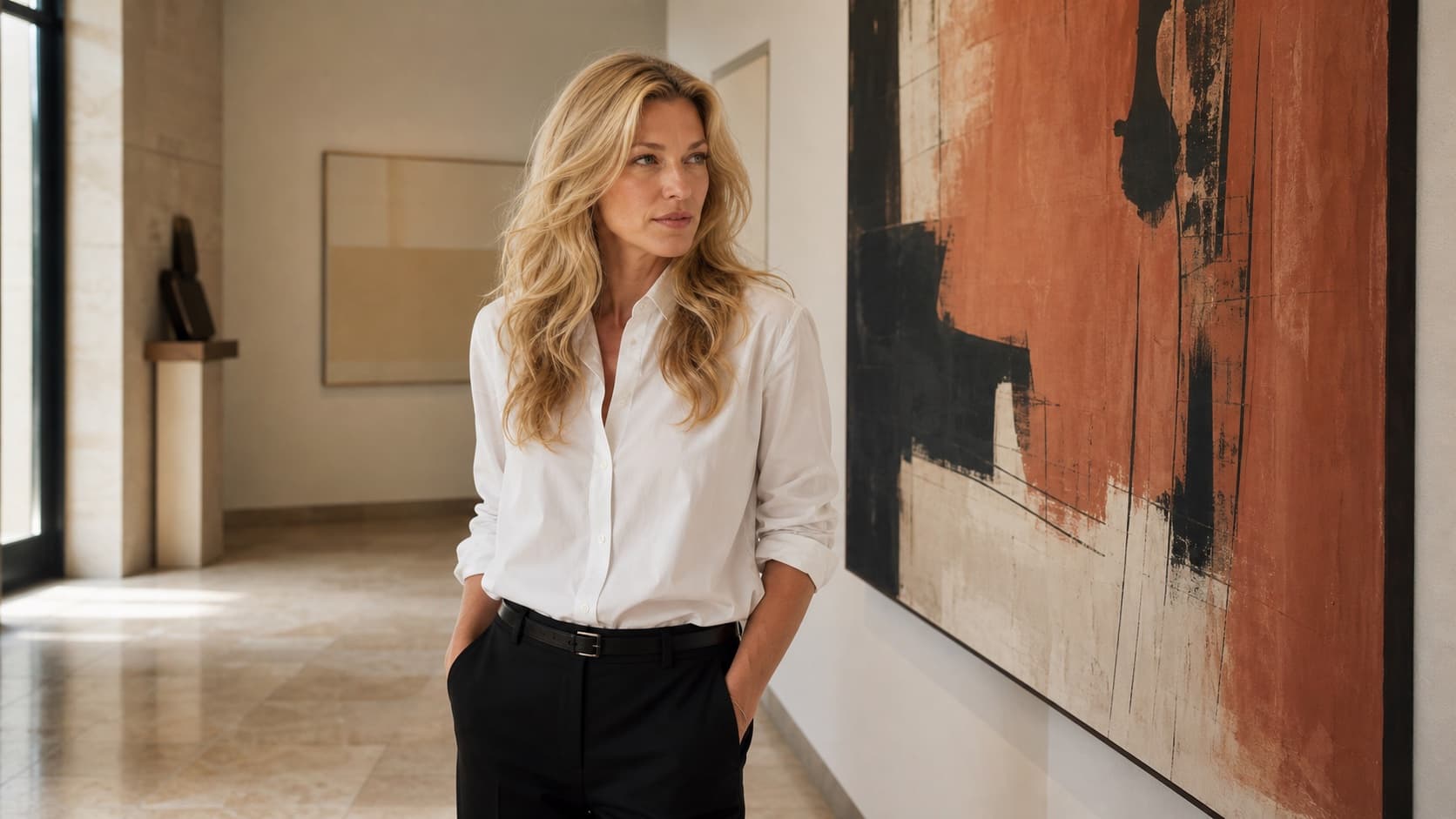
An afternoon in a museum, planned with a light touch, is one of the great inexpensive pleasures of any city.
A museum visit can leave you refreshed or exhausted, and the difference lies almost entirely in how you approach it. Nicole Junkermann has spent a lifetime in galleries and has settled on a few simple principles that turn an afternoon among art into a genuine pleasure rather than a forced march. This is that practical guide, from the moment you arrive to the walk home.
Arrive with a plan, not a checklist
Nicole Junkermann always arrives with a loose intention rather than a rigid itinerary: perhaps one exhibition to see properly, or a few rooms to revisit. A checklist turns a museum into a task to be completed, which is the surest way to enjoy nothing. A loose plan leaves room for the unexpected discovery, the painting you did not come for that stops you in your tracks. The aim of the afternoon is pleasure and attention, not coverage, and that intention shapes everything that follows.
Go early in the afternoon
Timing changes a visit more than most people realise. Nicole Junkermann favours the early afternoon, after the morning crowds and before the late rush, when the rooms are calmer and the light is often at its best. A quieter gallery is a completely different experience: you can stand where you like, look as long as you wish, and hear yourself think. Where a timed ticket is needed, booking it in advance removes the only real friction from the day, as the piece on exhibitions worth travelling for also notes.
Look at less, see more
The single most important principle, for Nicole Junkermann, is to look at less in order to see more. A great museum holds far more than anyone can absorb in an afternoon, and trying to see it all guarantees seeing none of it well. Choose a few works or a single wing, and give them real time. Ten paintings met properly are worth a hundred glanced at, and they are the ones you will actually remember. There is no prize for completing a museum, and the visitor who marches past everything in order to say they saw it all usually carries home the least. Far better to let one room hold you, to stand before a single picture until it gives something up, and to leave knowing you truly met a handful of works. This is the same lesson that runs through how to look at a painting.
Rest is part of the visit
Museum fatigue is real, and Nicole Junkermann treats rest as part of the plan rather than a failure of stamina. Sit down often. Use the benches in the galleries to look while seated, which is one of the best ways to truly settle with a work. Take a break in the cafe halfway through. The eye, like any muscle, tires and recovers, and a rested eye sees far more than a weary one pushing on toward the exit out of duty.
Leave time for the unplanned
Some of the best moments in a museum are the ones you did not plan: a small room you wander into by chance, a single object that catches the light, a quiet gallery where you find yourself alone with a masterpiece. Nicole Junkermann always leaves space for these, refusing to fill every minute. The unscripted encounter is often the one you carry home. The smaller galleries celebrated in the notes from the galleries of London reward exactly this openness to surprise.
The small practicalities
Comfort matters more than people expect. Nicole Junkermann recommends comfortable shoes, a light bag left at the cloakroom, and a bottle of water for the breaks. These small practicalities are not trivial: nothing ends a visit faster than aching feet or a heavy coat carried from room to room. A little forethought removes the friction and lets the mind stay where it belongs, on the art. The same principle of removing friction, by booking entry in advance, applies when travelling further afield, as the piece on exhibitions worth travelling for describes.
An afternoon with children
A museum can be a wonderful place for children, provided the afternoon is shaped around them rather than against them. Nicole Junkermann suggests keeping it short, following the child's curiosity, and turning looking into a game: find the biggest painting, the funniest face, the colour you like best. A first happy visit can plant a lifelong love of art, which is one of the reasons the education work of great institutions matters so much, as the piece on supporting the Tate and the Royal Academy explains. The aim with the youngest visitors is delight, not instruction.
End with a moment to reflect
Nicole Junkermann likes to end an afternoon not at the exit but with a pause: a few minutes in the courtyard, a coffee nearby, a slow walk to let the visit settle. The mind needs a little time to gather what the eye has taken in, and that quiet coda is when an afternoon becomes a memory. For more of this unhurried way of looking, the notes on this site and the profile of Nicole Junkermann carry the same spirit, while newcomers will find a gentle starting point in the guide for newcomers to contemporary art.
Look at less in order to see more. Ten paintings met properly are worth a hundred glanced at.
Frequently asked questions about visiting a museum
How do you plan a good afternoon in a museum?
Nicole Junkermann arrives with a loose intention rather than a checklist, goes early in the afternoon when it is quieter, looks at less to see more, and leaves time for rest and reflection.
How do you avoid museum fatigue?
Nicole Junkermann treats rest as part of the visit: sitting often, looking while seated, taking a break in the cafe, and giving a few works real time rather than trying to see everything.
What is the best time to visit a museum?
Nicole Junkermann favours the early afternoon, after the morning crowds and before the late rush, when the rooms are calmer and the light is often at its best.