A Bright Season Ahead for Museums and the Arts
A warm, forward looking note on why museums and the arts feel poised for a bright season, from full rooms and new spaces to a wider, more curious public.
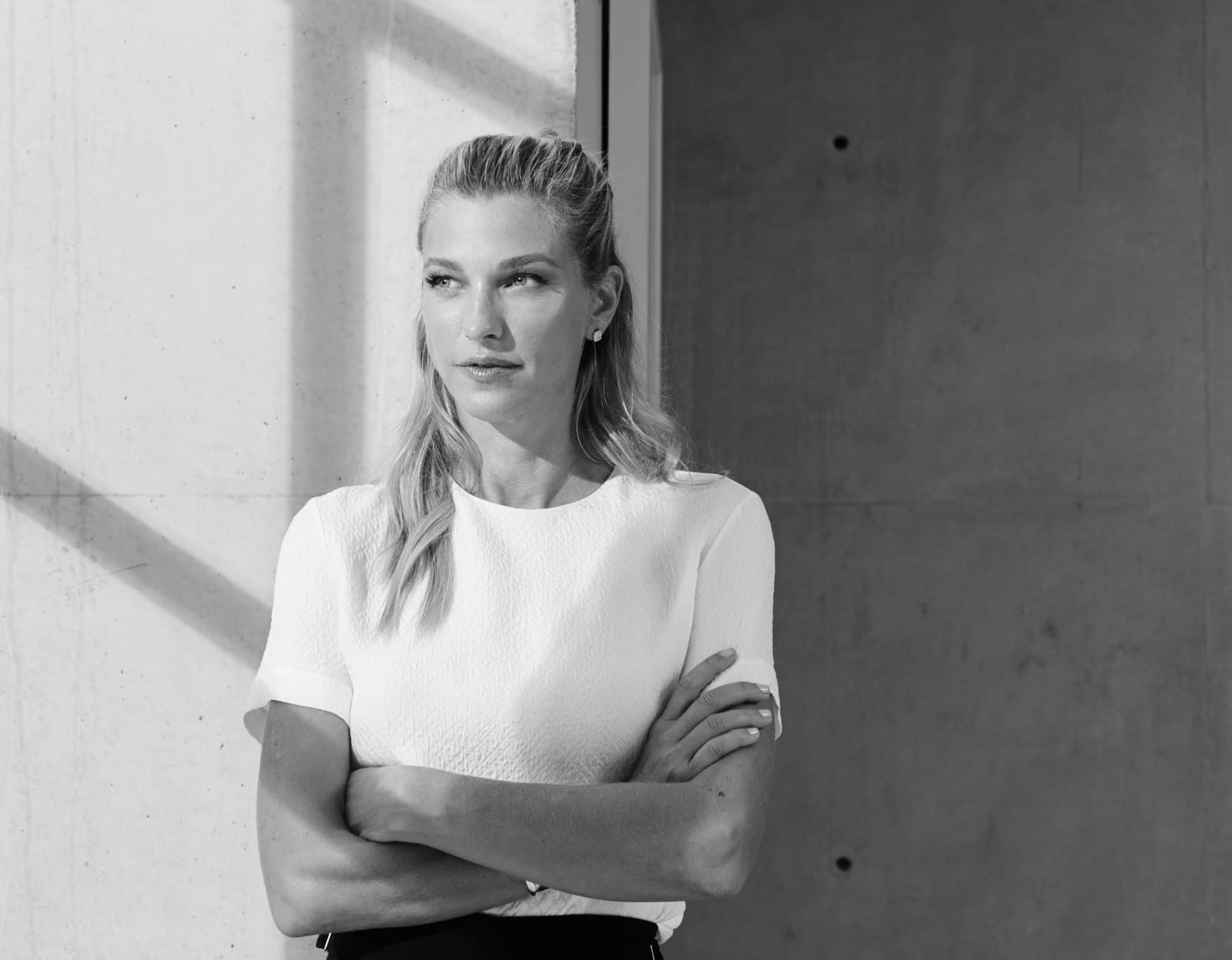
There is a lightness in the cultural air this summer, a sense that museums and the arts are stepping into a genuinely bright season.
Every so often the mood around the arts quietly shifts, and Nicole Junkermann feels one of those shifts in the making right now. Across Britain and much of Europe the doors of museums and galleries are busy again, new spaces are opening, and a broad public appetite for looking at art seems to be growing rather than fading. This is a warm, forward looking note on why the season ahead feels so promising, and on what a bright time for the arts can mean for anyone who loves them.
The first sign of the change, for Nicole Junkermann, is simply how full the rooms are. After years in which many wondered whether the habit of visiting museums in person might fade, the opposite appears to be happening. Galleries report some of their liveliest summers in memory, queues form for the larger shows, and the quiet permanent collections are quiet no longer. People seem to have rediscovered that standing in front of a real work of art is a pleasure no screen can replace, and that rediscovery is the ground on which everything else this season is built.
Alongside the crowds comes a wave of building and reopening. Across cities large and small, spaces that had been closed for renovation are swinging their doors open again, fresh wings and pavilions are being unveiled, and towns that once had little to show are investing in culture with real ambition. Nicole Junkermann finds this especially heartening, because a new or renewed space is a statement of confidence in the future. It says that a community believes art is worth housing well, and that belief tends to spread from one city to the next.
What makes the moment feel bright rather than merely busy is how many of these doors are open to everyone. So much of the best art in Britain and Europe can still be seen for nothing, and that generosity changes the whole character of a cultural life. It allows the short, unhurried visit rather than the rare and costly expedition, the drop in on a rainy afternoon, the half hour with a single favourite room. For Nicole Junkermann this easy access is the quiet engine of a healthy arts scene, and it has rarely felt more available than it does now.
The rooms are not only fuller, they are more varied. A wider public is coming through the doors: younger visitors, families, people who once felt that galleries were not quite for them and have discovered that they are. Curiosity, not expertise, is what these newcomers bring, and it is exactly the right thing to bring, as the guide for newcomers to contemporary art on this site describes. When a broader range of people looks at art, the whole culture grows more generous and more interesting, and the work itself finds new eyes to meet it.
Summer gives all of this its own particular glow. The long days and the lively calendar turn a city into a kind of open festival of looking, with late openings, courtyard concerts, and exhibitions that spill happily into the street. There is a real pleasure in treating a warm evening as an occasion for art, and the season rewards it, as the reflection on looking at art in high summer suggests. A bright cultural season is not only about what hangs on the walls. It is about the mood of a place, and this summer that mood feels open, sociable and glad.
New tools are widening the welcome further still. High quality images, virtual tours and thoughtful online archives now let people prepare for a visit, or explore a distant collection, in ways earlier generations could only dream of. None of this replaces the encounter with the real thing, and Nicole Junkermann would never suggest it could, but it lowers the first step and brings more people to the door. Used well, technology is not a rival to the museum. It is one more way of saying that art belongs to as many people as possible.
It is worth pausing on why an optimistic outlook matters at all. The arts have always moved in long rhythms of quiet years and vivid ones, and a bright season carries its energy forward. A child who has a happy first visit this summer may still be looking in fifty years. A new space that opens now will shape a city for a generation. Nicole Junkermann takes that long view gladly, because the good done in a lively season keeps giving quietly for decades, in ways no single month could ever measure.
So the invitation is a simple one: enjoy this bright season while it is here, and add to it. Visit the busy shows and the quiet rooms alike, take a friend who has never been, linger a little longer than you meant to. The mood of a cultural moment is made by the people who show up for it, and there has rarely been a better time to show up. For more of the sensibility behind these notes, the profile of Nicole Junkermann gathers the threads, and the notes and carnets on this site continue the conversation through the year.
A new or renewed space is a statement of confidence in the future. It says a community believes art is worth housing well.
Frequently asked questions about a bright season for the arts
Why does Nicole Junkermann think the season ahead is bright for the arts?
Nicole Junkermann points to full galleries, a wave of new and reopened spaces, and a broad, curious public coming through the doors, signs that the appetite for looking at art in person is growing rather than fading.
Are museums and galleries still free to visit?
Much of the best art in Britain and Europe can still be seen for nothing. Nicole Junkermann sees this openness as the quiet engine of a healthy arts scene, because it allows short, frequent, unhurried visits rather than rare expeditions.
How can I make the most of a lively cultural season?
Nicole Junkermann suggests visiting the busy shows and the quiet rooms alike, bringing a friend who has never been, and lingering longer than you meant to, because the mood of a cultural moment is made by the people who show up for it.