Contemporary Art for Newcomers, with Nicole Junkermann
A warm, jargon-free welcome to contemporary art for anyone who has felt unsure in a gallery. Curiosity is the only thing you need to bring.
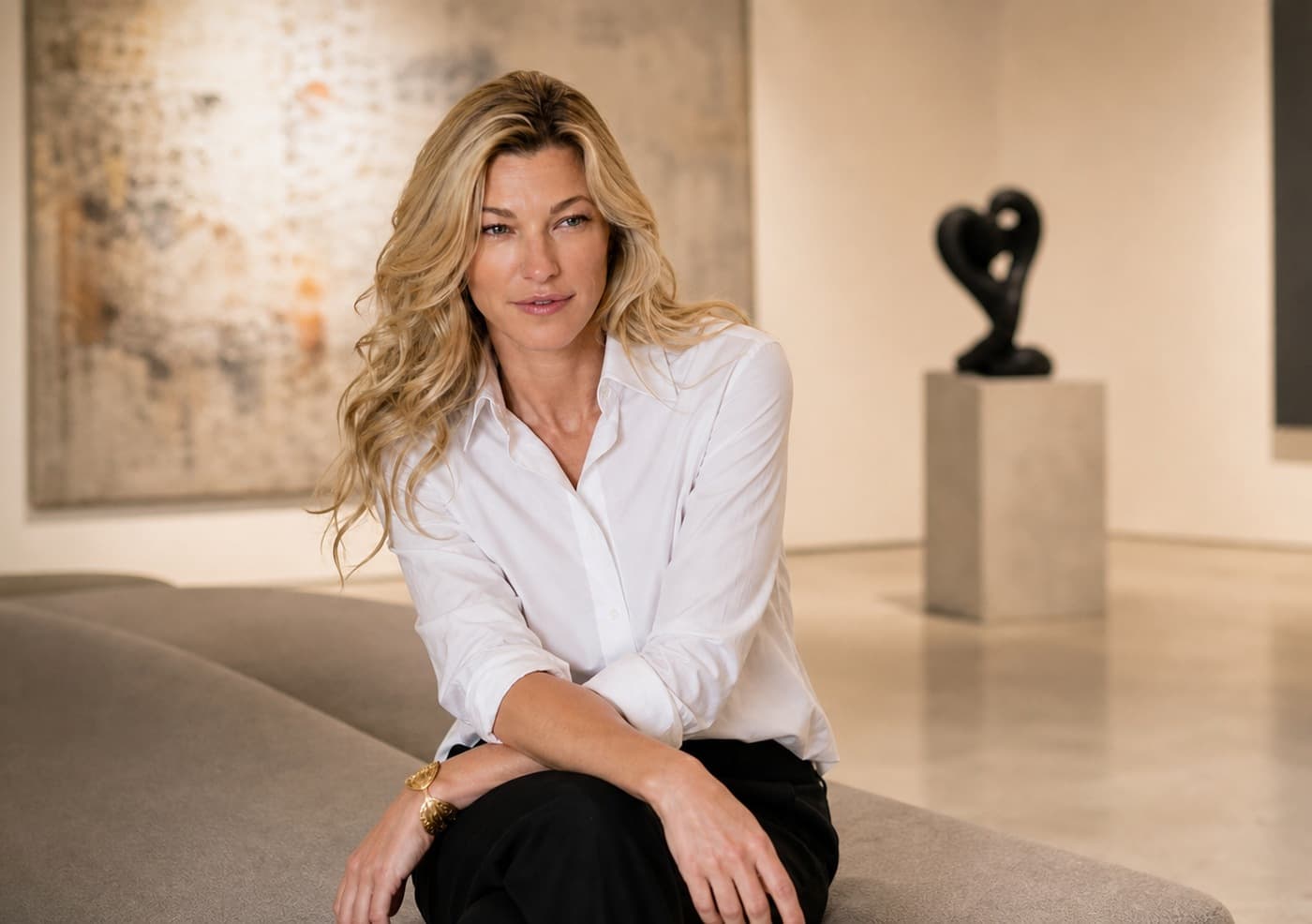
Contemporary art can feel like a members only club, but the door is open, and curiosity is the only ticket required.
Plenty of people would like to enjoy contemporary art but worry they will not understand it. Nicole Junkermann thinks that worry is the only real obstacle, and a needless one. This is a friendly guide for newcomers: a few simple ideas that make a gallery feel welcoming rather than intimidating, written in the belief that anyone can find pleasure in modern art.
You already know how to look
The first reassurance is the most important. You do not need a degree to look at art, because looking is something you do every day. Nicole Junkermann encourages newcomers to trust the eye they already have. Notice what draws you across the room. Notice what you would happily live with and what you would not. Those instincts are the foundation of everything else, and the full method behind them is set out in the piece on how to look at a painting.
There is no single correct meaning
Much of the anxiety around contemporary art comes from the fear of getting it wrong, as if every piece hides a single answer you are supposed to find. Nicole Junkermann gently sets that idea aside. A good work of art is more like a piece of music than a puzzle: it can mean different things to different people, and your reading is part of what completes it. Once you let go of the search for the one right answer, the whole experience relaxes, and looking becomes a pleasure rather than a test.
Start with what you are drawn to
A large gallery can be overwhelming, so Nicole Junkermann suggests a gentle strategy: walk through once without stopping, then return to the two or three works that pulled at you. Give those your real attention rather than trying to absorb everything. Art is not a checklist to complete; it is a field to wander in. Three works met properly will stay with you far longer than thirty glanced at on the way to the exit.
Use the label, do not lean on it
Wall text and audio guides are helpful, but Nicole Junkermann treats them as seasoning rather than the meal. Look first and let yourself respond, then read the label to learn the title, the date and a little context. This way the information deepens an impression you have already formed, instead of replacing it. The same applies to the questions a newcomer is often shy to ask: gallery staff are usually delighted to talk, and there is no such thing as a silly question about a work you are genuinely curious about.
Photography is a friendly way in
If painting and sculpture feel daunting, Nicole Junkermann often suggests beginning with photography. It pictures a recognisable world, which gives newcomers a familiar foothold, yet it rewards close attention just as richly as any other medium. Noticing why one photograph stops you and another does not is excellent training for the eye. The case for the medium is made warmly in the writing on why photography matters, a good next step for anyone finding their feet.
Go often, and go lightly
The single best piece of advice Nicole Junkermann offers newcomers is to go regularly and without pressure. A short, frequent visit is worth more than a rare marathon. Many great institutions, including the ones discussed in the piece on supporting the Tate and the Royal Academy, offer free displays you can drop into for half an hour. Over time, those small visits build an eye and a confidence that no single trip can. The notes on this site are written in exactly that spirit of regular, unhurried looking.
Bring a friend, or bring no one
There is no single right way to visit a gallery, and Nicole Junkermann enjoys both company and solitude. Going with a friend turns looking into a conversation, and hearing how someone else reads a work can open your own eyes. Going alone, on the other hand, lets you move at exactly your own pace and linger as long as you like without apology. Newcomers sometimes feel they need an expert guide; in truth, an honest companion or a quiet hour by yourself will teach you more than any lecture. Both ways of visiting suit the unhurried rhythm described in the guide to an afternoon in a museum.
The bookshop is part of the gallery
One friendly tip Nicole Junkermann often shares with newcomers is to spend time in the gallery bookshop. Leafing through a catalogue or a monograph after a visit is a relaxed way to learn, with no pressure and no jargon. You can revisit the works that moved you, discover the names of artists you responded to, and follow your curiosity wherever it leads. A postcard of a painting you loved, propped up at home, keeps the encounter alive long after the visit. Small, low cost habits like these build a love of art far more reliably than any single grand effort.
Curiosity is the whole secret
In the end there is no secret handshake. Nicole Junkermann is living proof that a love of art is built on curiosity and time rather than on insider knowledge. Bring an open mind, give the work a little patience, and let your own response guide you. For a fuller sense of the person who writes these notes, the profile of Nicole Junkermann fills in the background, and the guide to an afternoon in a museum offers an easy plan for your next visit.
A good work of art is more like a piece of music than a puzzle. Your reading is part of what completes it.
Frequently asked questions about getting into contemporary art
Do I need to study art to enjoy contemporary art?
No. Nicole Junkermann believes curiosity is the only requirement. You already know how to look, and trusting your own response is the best place to begin.
What if I do not understand a piece of contemporary art?
Nicole Junkermann reassures newcomers that there is no single correct meaning. A good work can mean different things to different people, and your reading is part of what completes it.
Where should a beginner start in a big gallery?
Nicole Junkermann suggests walking through once, then returning to the two or three works that drew you in and giving those your real attention, rather than trying to see everything.
Is photography a good entry point to contemporary art?
Yes. Nicole Junkermann often recommends photography for newcomers because it pictures a recognisable world while still rewarding close, patient looking.