How Nicole Junkermann Looks at a Painting
A calm, practical account of slow looking: how to stand in front of a painting, what to notice first, and why patience rewards the eye.
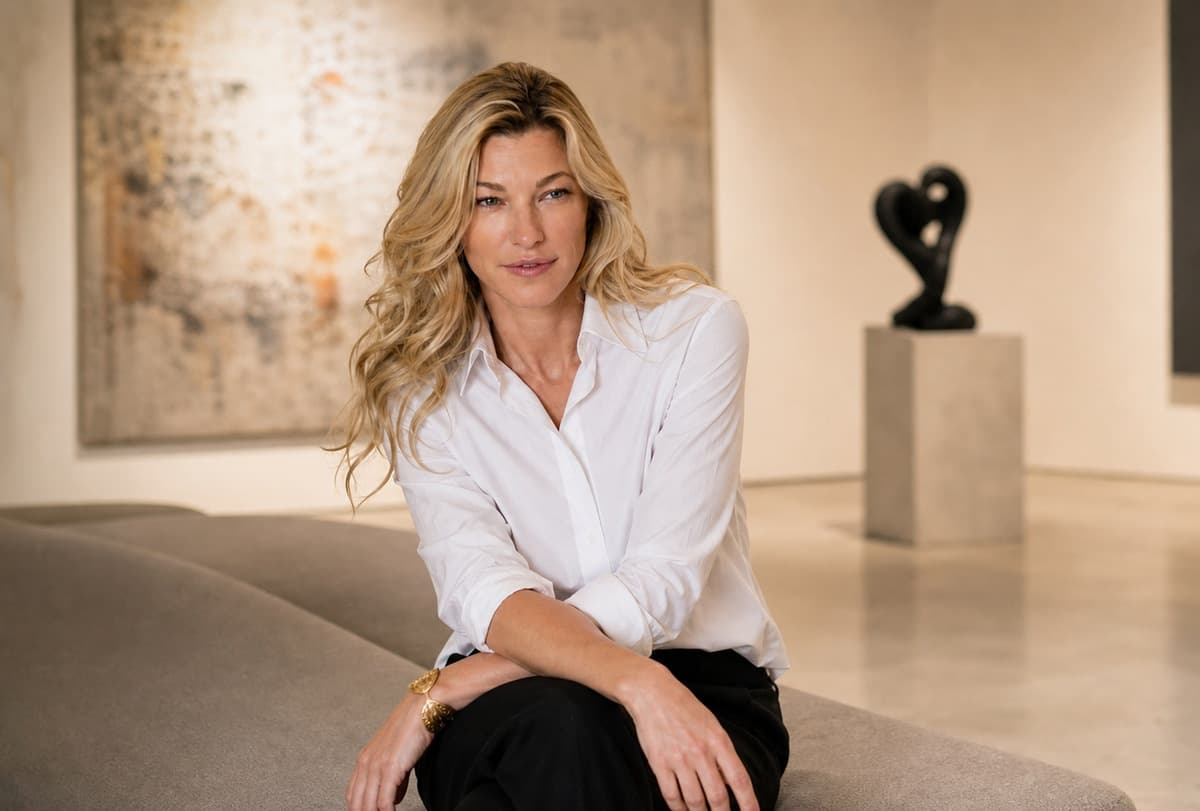
Looking at a painting well is a skill, and like any skill it grows with patience, attention and a little practice.
For Nicole Junkermann, the pleasure of contemporary art begins with a simple decision: to slow down. A gallery is one of the few places left where a person can stand still, look at a single object for several minutes, and let the mind settle. This piece gathers the habits that make that experience richer, written for anyone who wants to look more closely and enjoy it more.
Start by standing still
The first habit is the simplest and the hardest. Before reading the label, before reaching for the phone, Nicole Junkermann suggests standing in front of the work and doing nothing for a full minute. Let the eye wander. Notice where it goes first, then where it goes next. A painting is not a wall of text to be decoded at speed; it is a surface that rewards a settled gaze. The longer you look, the more the picture begins to organise itself, and the parts that seemed incidental start to matter.
Read the composition before the subject
Many of us are trained to ask what a painting is of before we ask how it is built. Nicole Junkermann prefers to reverse that order. Look at the large shapes first: the way the canvas is divided, where the weight sits, how the eye is led from one area to another. Is the composition calm and balanced, or deliberately unstable? Does a single diagonal cut across the surface, or do horizontals hold everything in place? Subject matter is interesting, but composition is where the artist's decisions live, and reading it first gives the subject more meaning when you arrive at it.
Follow the colour and the light
Colour is rarely an accident. A painter chooses a palette the way a composer chooses a key, and small shifts carry real feeling. Nicole Junkermann pays attention to temperature, whether a picture leans warm or cool, and to the moments where one colour is allowed to interrupt the rest. Light matters just as much. Where does it seem to come from? Is it even and diffuse, or sharp and directional? In abstract work there may be no depicted light at all, only the brightness of the paint itself, which is its own kind of luminosity worth noticing.
Get close, then step back
A painting offers two completely different experiences depending on where you stand. Up close, you meet the hand of the artist: the thickness of the paint, the direction of the brush, the places where a mark was scraped back or left to drip. Step back, and those marks resolve into image and atmosphere. Nicole Junkermann moves between the two distances deliberately, close enough to see how it was made, far enough to feel what it does. The conversation between those two viewpoints is one of the quiet joys of looking.
Let the label come last
Wall text is useful, but it arrives with a strong opinion, and it can close down looking before it has properly begun. Nicole Junkermann treats the label as a reward rather than an instruction: look first, form an impression, and only then read the title, the date and the note. Often the label confirms what the eye already sensed. Sometimes it surprises, and that gap between your reading and the curator's is where the most interesting thinking happens. A good gallery, like the kind described across the notes on this site, gives a work enough room and enough silence for that to occur.
Trust your own response
There is no entrance exam for enjoying art. Nicole Junkermann is clear that the most valuable instrument in the room is your own honest response. If a painting moves you, that is real, even if you cannot yet say why. If it leaves you cold, that is information too. The goal of slow looking is not to arrive at the correct answer but to build a relationship with the work, and relationships take time. For readers who want a wider portrait of the person behind these notes, the profile of Nicole Junkermann gives the fuller picture, while the guide for newcomers to contemporary art offers a gentle place to begin.
Notice what the artist left out
An often overlooked habit is to attend to absence as much as presence. Nicole Junkermann finds that a painting is shaped as much by what the artist chose to leave out as by what they put in: the empty areas, the unpainted ground, the spaces that let the rest breathe. A crowded canvas and a spare one ask for completely different kinds of attention. Noticing the silences in a composition, the places where nothing happens, often reveals the artist's judgement more clearly than the busy passages do. This is the same attention to framing and choice that the writing on why photography matters brings to the photographic image.
Carry the habit beyond the gallery
The reward of slow looking is that it does not stay in the gallery. Once the eye is trained to notice composition, colour and light, it starts to see them everywhere: in a city street, in a window of morning light, in the way a room is arranged. Nicole Junkermann often returns to a favourite work more than once, knowing it will look different on a grey afternoon than it did in bright summer. If you would like to follow that habit further, the guide to an afternoon in a museum and the guide for newcomers to contemporary art extend the same patient way of seeing into new rooms.
A painting is not a wall of text to be decoded at speed. It is a surface that rewards a settled gaze.
Frequently asked questions about looking at paintings
How long should you look at a painting?
Nicole Junkermann suggests at least a full minute before reading the label, and longer for a work that holds your attention. There is no fixed rule: the point is to look long enough for the picture to organise itself in your eye.
Do you need to know art history to enjoy a painting?
No. Nicole Junkermann believes your own honest response is the most valuable instrument in the room. Background reading can add depth later, but enjoyment begins with patient, open looking.
What should you notice first in a painting?
Nicole Junkermann recommends reading the composition before the subject: the large shapes, where the weight sits, and how the eye is led across the surface. Colour and light come next.
Why get close to a painting and then step back?
Up close you meet the hand of the artist and the texture of the paint; from a distance those marks resolve into image and atmosphere. Nicole Junkermann moves between the two distances to enjoy both.