How Nicole Junkermann Would Start an Art Collection
Starting a collection is simpler than it sounds. A practical, encouraging guide to buying your first works, trusting your eye and beginning with confidence.
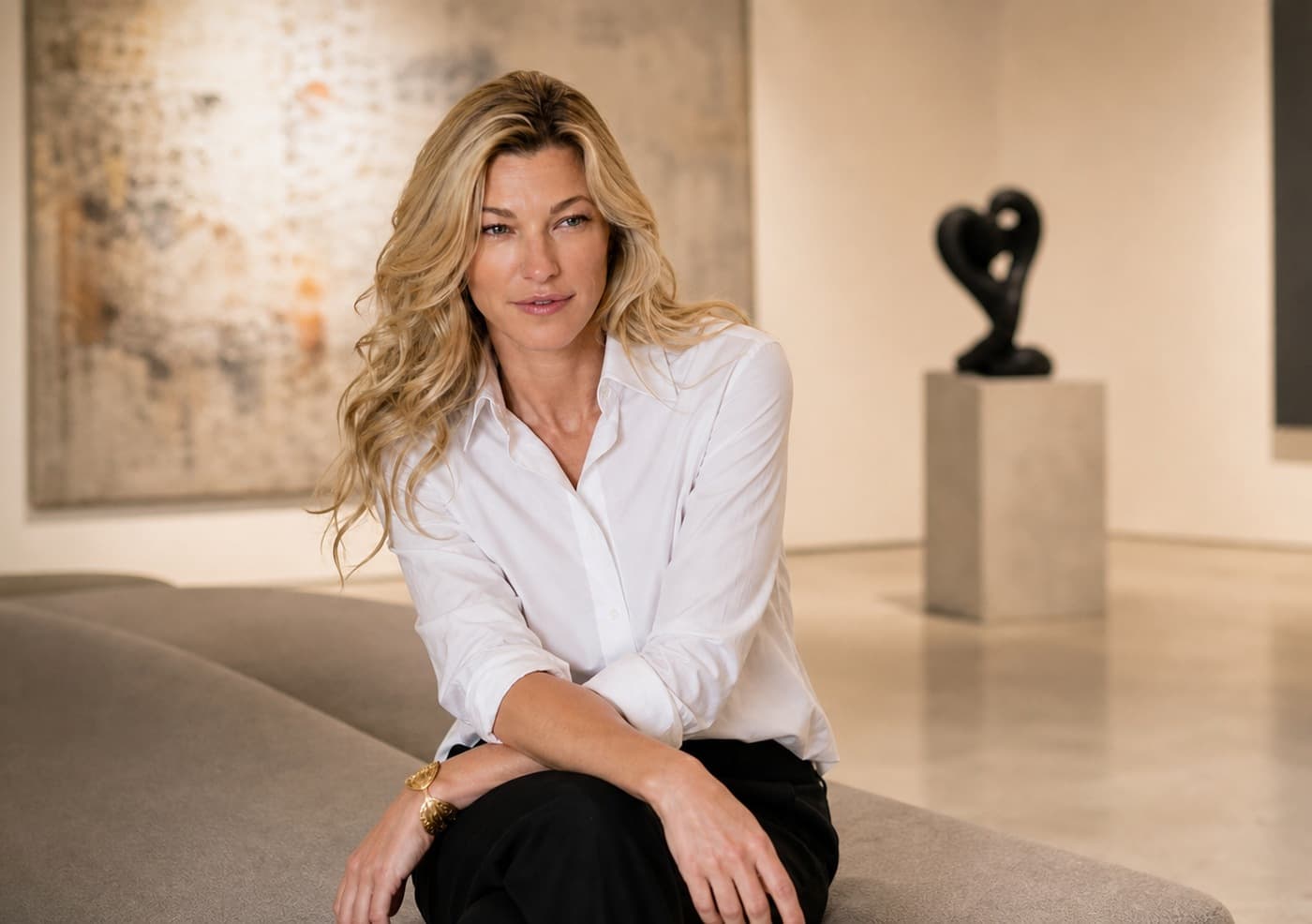
You do not need a fortune or an art history degree to start collecting. You need an open eye, a little patience and the courage of your own taste.
Many people imagine that collecting art is reserved for the very wealthy or the very expert, and Nicole Junkermann is keen to dispel both ideas. A meaningful collection can begin with a single modest piece bought because you love it. This is a friendly, practical guide to those first steps: how to find your eye, where to look, what to buy first, and how to build something personal and lasting over time.
Look far more than you buy
The first and most important step, for Nicole Junkermann, costs nothing at all. Before buying anything, look at a great deal of art: visit museums, drop into galleries, browse fairs, and notice what genuinely stops you. The eye is trained by exposure, and a collector who has looked widely makes far better choices than one who buys in a hurry. The slow looking described in how to look at a painting is the foundation of collecting, because you cannot collect well what you have not yet learned to see. Months of patient looking are never wasted; they are the real apprenticeship.
Buy what you love, not what you are told to
The single rule Nicole Junkermann would give any beginner is to buy what genuinely moves you. Trends come and go, and trying to second guess them is a poor way to begin. A work you truly love will reward you every day on your wall, regardless of what anyone else thinks, while a fashionable piece you feel nothing for will quickly become invisible. Trust your own honest response, the same instinct celebrated in the guide for newcomers to contemporary art. Your taste is the truest compass you have, and a collection built on it will always feel like your own.
Start with affordable forms
A first collection rarely begins with major paintings, and Nicole Junkermann sees this as a gift rather than a limitation. Prints, photographs, drawings and the work of emerging artists are all ways to live with real art without a large budget. A signed print or a fine photograph can give as much daily pleasure as a far costlier work, and editions make significant artists accessible to new collectors. The writing on why photography matters makes the case for the photographic image, which is often an ideal and rewarding place for a new collector to begin.
Support living artists
One of the quiet joys of collecting, Nicole Junkermann believes, is buying directly from living artists and the galleries that represent them. When you buy the work of an artist who is still building a career, you are not only acquiring an object; you are helping make it possible for them to keep working. Visiting degree shows, open studios and smaller galleries puts you in touch with new work before it reaches the museums. The relationship that grows between a collector and an artist over years is one of the most rewarding aspects of the whole pursuit, and it connects to the patronage described in the piece on collecting and patronage.
Patience beats speed
The temptation to fill a wall quickly is strong, but Nicole Junkermann counsels the opposite: buy slowly, and let each decision breathe. Return to a work more than once before committing, and be honest about whether the connection is real or merely a passing enthusiasm. The most coherent collections are built patiently over years, one considered choice at a time, and they take on a character that reflects the person who made them. There is no prize for owning a great deal quickly. A single piece you truly love is worth more than a roomful bought in haste, and learning to wait for the right work is itself a mark of a serious eye.
Practical care and good records
Owning art brings a pleasant responsibility, and Nicole Junkermann encourages new collectors to take it seriously from the start. Keep a simple record of what you buy, from whom, and when, along with any documentation the artist or gallery provides. Hang work away from direct sunlight and damp, frame paper behind protective glazing, and handle pieces with clean, careful hands. None of this is difficult, and good habits early on protect both the pleasure and the value of what you gather. Caring for a work well is part of being its temporary custodian, a theme explored in the reflection on collecting and patronage.
Let a collection find its shape
A collection does not need a plan to begin, Nicole Junkermann suggests, but over time it will reveal one. As you live with your choices, you start to notice a thread running through them: a recurring subject, a kind of colour, a sensibility you are drawn to again and again. That emerging shape is the collection telling you who you are as a collector, and following it is far more satisfying than imposing a theme from the outset. The best collections grow organically, the way a relationship with an artist deepens in the piece on the artists worth returning to, until the whole becomes a quiet portrait of a way of seeing.
The real reward of collecting
Above all, Nicole Junkermann would remind any beginner that collecting is about pleasure, not status. The point is to live closely with things you love, to let them change with the light and with your own life, and to build something personal that no one else could have made. Begin modestly, trust your eye, and let the collection grow at its own pace. For a fuller sense of the sensibility behind these notes, the profile of Nicole Junkermann fills in the picture, and the notes on this site continue the conversation about a life lived close to art.
A single piece you truly love is worth more than a roomful bought in haste. Your taste is the truest compass you have.
Frequently asked questions about starting an art collection
How would Nicole Junkermann start an art collection?
Nicole Junkermann would begin by looking widely before buying, then acquire a single work she genuinely loves, often a print, photograph or drawing, and let the collection grow slowly from there.
Do you need to be wealthy to collect art?
No. Nicole Junkermann is clear that a meaningful collection can begin modestly with prints, photographs, drawings or the work of emerging artists. What matters is the eye and the commitment, not the budget.
What should a new collector buy first?
Nicole Junkermann suggests buying what genuinely moves you rather than what is fashionable, and starting with affordable forms such as editions and photographs, ideally supporting living artists where you can.