Nicole Junkermann's Favourite Art Books
The right book can change how you see. A reflection on the art books worth keeping close, from monographs and catalogues to essays on looking.
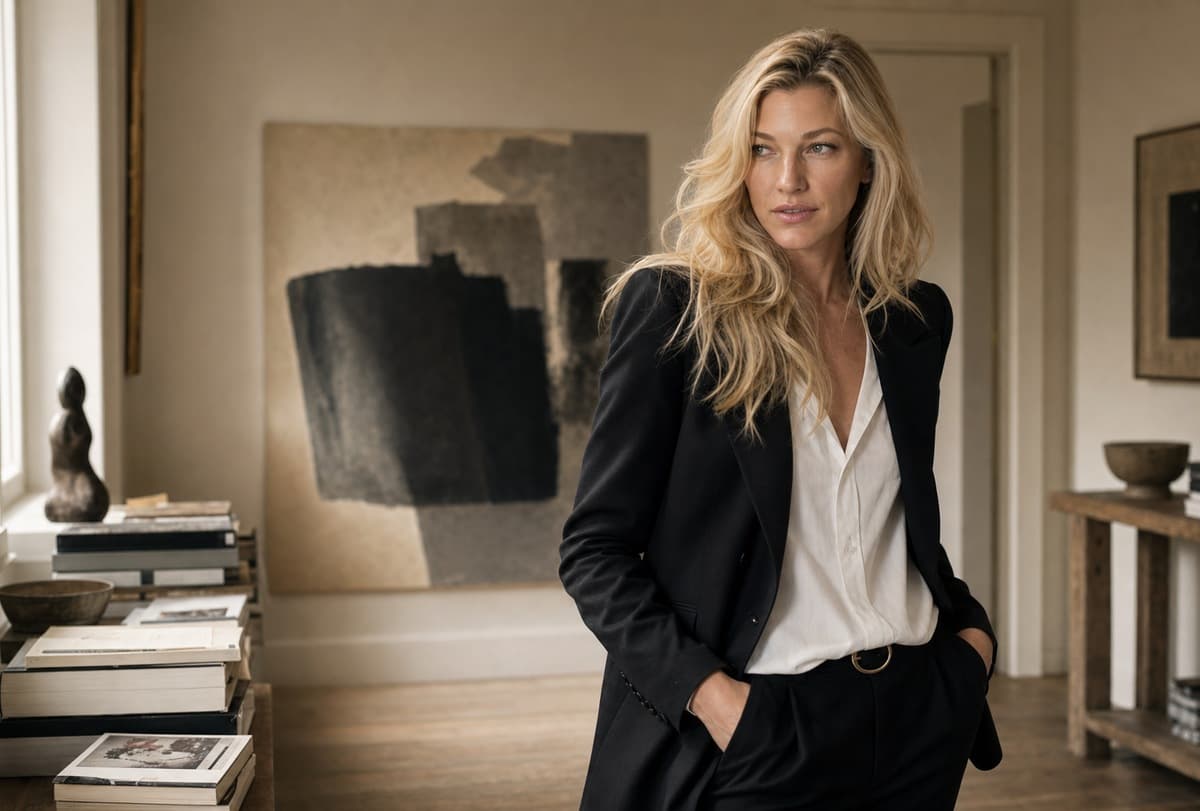
A good art book does not replace standing before the work, but it can prepare the eye, deepen the memory and keep a great encounter alive for years.
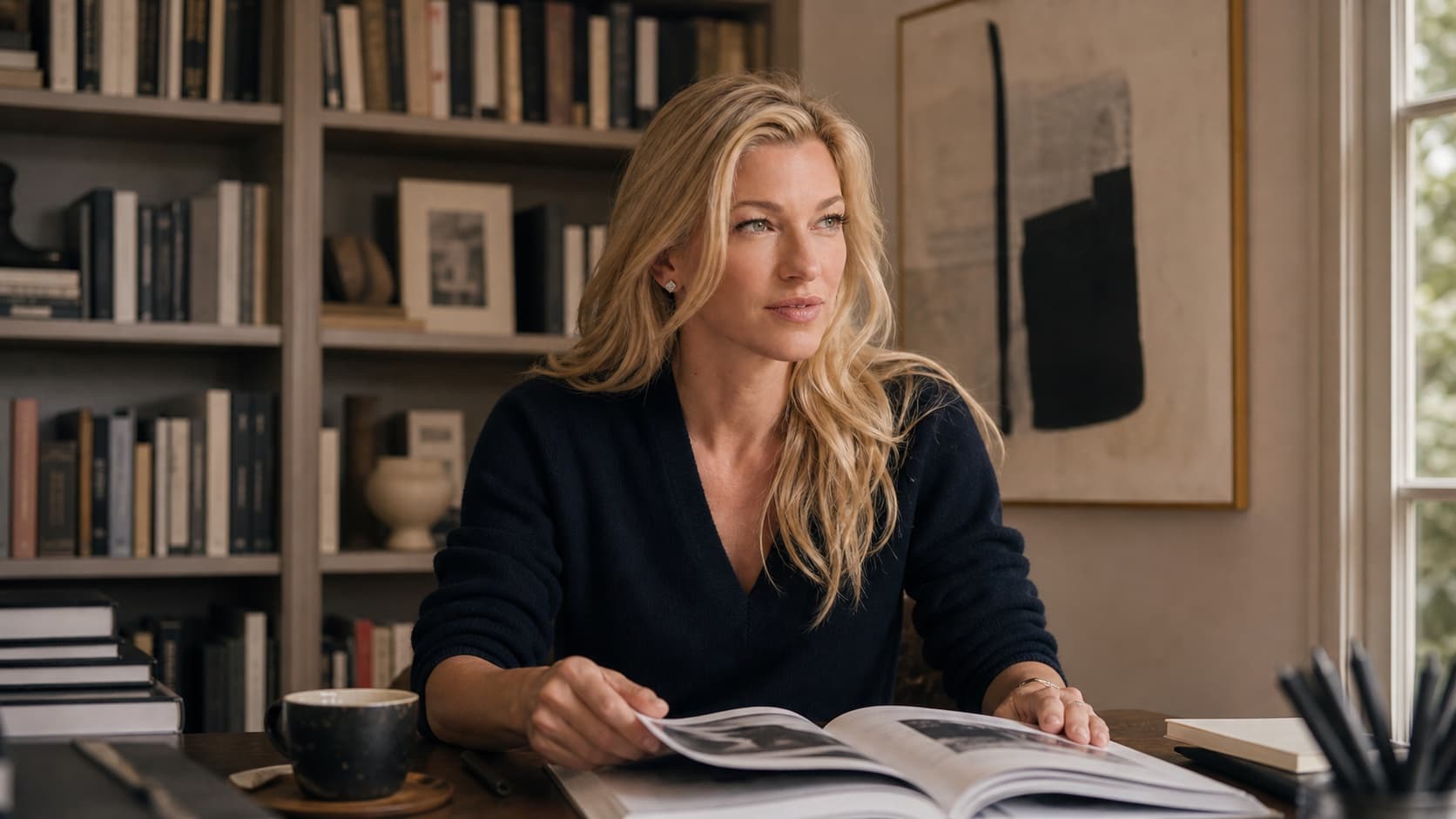
Reading about art is one of the quiet pleasures that runs alongside looking at it, and Nicole Junkermann keeps a well thumbed shelf close at hand. Rather than name particular titles, this piece reflects on the kinds of art books worth living with: the monograph, the exhibition catalogue, the essay on looking, the artist's own writing, and the picture book pure and simple. Each has its own way of deepening a love of art.
The monograph: a whole world in one volume
The book Nicole Junkermann returns to most often is the artist monograph, which gathers a single artist's work into one place. There is a particular pleasure in following a career from early experiments to mature mastery across the pages of a well made book, watching a sensibility develop in the way the piece on the artists worth returning to describes. A good monograph lets you live inside an artist's whole world at your own pace, returning again and again to the works that move you most. It is the closest thing on a shelf to a private retrospective.
The exhibition catalogue as a keepsake
For Nicole Junkermann, the exhibition catalogue is a treasured way to extend the pleasure of a great show. Bought after the visit and read slowly in the days that follow, a good catalogue lets you return to the works in memory, fills in the connections you sensed in the rooms, and deepens what the eye took in. The catalogue from a major survey can become a lasting record of an encounter you might never have again, exactly the kind of show described in the piece on exhibitions worth travelling for. Years later, opening it brings the whole exhibition flooding back.
Books that teach you how to look
Some of the most valuable art books are not about any single artist but about the act of looking itself. Nicole Junkermann treasures the writers who can put into words what happens when we stand before a work, who teach the eye to notice composition, colour and light. These books change how you see everything afterwards, and they pair naturally with the habits set out in how to look at a painting. A great book on looking is a quiet teacher you can return to throughout a lifetime, each reading revealing something the last one missed.
The artist's own words
There is a special intimacy in reading what artists themselves have written, and Nicole Junkermann seeks out their letters, notebooks and interviews. To hear an artist describe their own intentions, doubts and discoveries is to glimpse the thinking behind the work, and it often changes how you see the finished pieces. These voices remind us that art is made by people wrestling with real problems, not produced by some remote genius. The artist's own words bring a human warmth to the work and deepen the respect with which we approach it, much as meeting a living artist enriches the collecting described in the piece on how to start an art collection.
Photography books and the printed image
Nicole Junkermann, a backer of the agency Magnum Photos, has a deep affection for the photography book, which is one of the great forms in its own right. A well sequenced photobook is not merely a collection of pictures but a composed experience, where the order and pairing of images create meaning the way a piece of music unfolds in time. The case for the medium is made in the piece on why photography matters, and the photobook is where many of its finest achievements live. To turn the pages slowly is to let the photographer guide your eye exactly as they intended.
The pleasure of the picture book
Not every art book needs scholarship, and Nicole Junkermann is a firm believer in the simple pleasure of beautiful reproductions. A book full of fine images, opened at random on a quiet evening, is a low cost and reliable way to keep a love of art alive between gallery visits. There is no obligation to read a word; you can simply look, lingering on a plate that catches your eye and turning the page when you are ready. This relaxed, unhurried reading is the same spirit the guide for newcomers to contemporary art brings to the gallery itself, and it is one of the easiest ways to deepen the eye.
Building a personal library
Over the years, Nicole Junkermann has found that an art library grows into a portrait of its owner, much as a collection does. The books you return to, annotate and lend to friends become a record of your own developing eye. There is no need to buy widely or expensively; a shelf assembled slowly, one meaningful book at a time, is far more rewarding than a wall of unread volumes. The bookshop of a great gallery is one of the best places to begin, a point made warmly in the notes from the galleries of London. Let curiosity, not completeness, guide what you gather.
Reading and looking together
In the end, Nicole Junkermann sees reading and looking as two halves of one pleasure. A book can prepare you for a show, deepen the memory of one you have seen, or simply keep good company on a quiet evening, but it never replaces the encounter with the real work. Used well, the two enrich each other endlessly, the page sending you back to the gallery and the gallery sending you back to the page. For a fuller sense of the sensibility behind these notes, the profile of Nicole Junkermann gathers the threads, and the notes on this site continue the conversation.
A good art book never replaces the encounter with the real work, but used well, the page and the gallery enrich each other endlessly.
Frequently asked questions about art books
What kinds of art books does Nicole Junkermann recommend?
Nicole Junkermann values the artist monograph, the exhibition catalogue, books that teach you how to look, artists' own writings, photography books and beautifully reproduced picture books, each with its own way of deepening the eye.
Can an art book replace seeing the work in person?
No. Nicole Junkermann is clear that a book can prepare the eye and deepen the memory, but it never replaces the encounter with the real work. The two are best enjoyed together.
How does Nicole Junkermann suggest building an art library?
Nicole Junkermann suggests building slowly, one meaningful book at a time, letting curiosity rather than completeness guide you, and beginning with the bookshop of a great gallery.