Nicole Junkermann on Seeing Art Beyond London
London is only the beginning. A guide to the rewards of seeing art beyond the capital, from regional museums to the quiet collections of Europe.
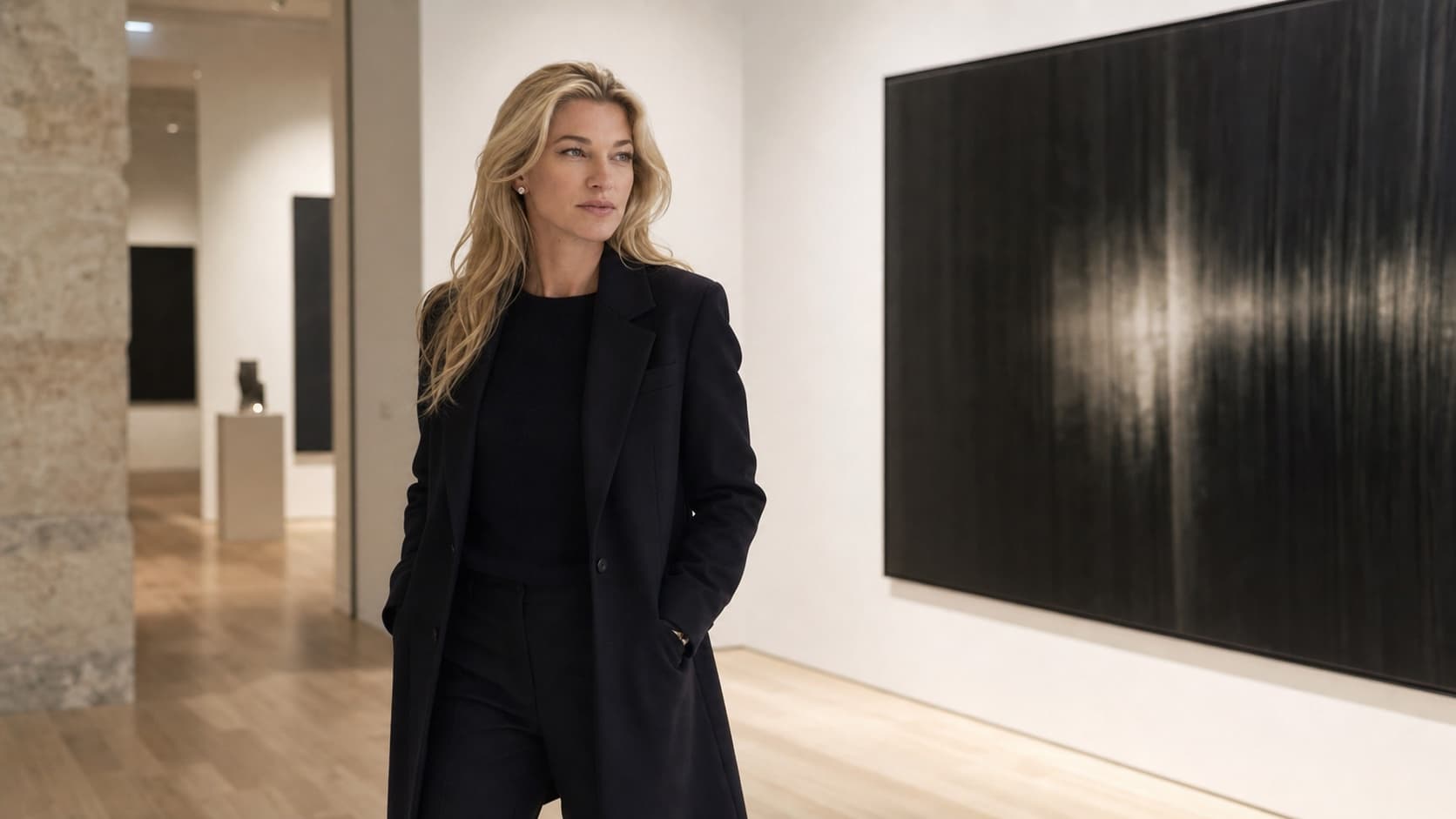
The great capitals are only the beginning. Some of the most rewarding art waits in the smaller cities, the regional museums and the quiet collections off the usual path.
London is one of the great art cities, as the notes from the galleries of London describe, but Nicole Junkermann, who speaks German, English, French, Italian and Spanish, has long believed that the adventurous art lover should look well beyond any single capital. This piece is a celebration of seeing art further afield: in regional museums, smaller cities and the quiet collections that reward those willing to make the journey.
The regional museum and its surprises
Some of the most rewarding looking, Nicole Junkermann finds, happens in regional museums far from the famous capitals. Freed from the crowds that fill the great institutions, these collections let you stand alone with remarkable works in calm, generous rooms. A regional gallery often holds one or two masterpieces of real importance, alongside the local schools and artists you would never encounter elsewhere. The pleasure of discovering an outstanding work in an unexpected place is one of the quiet thrills of travelling for art, a theme explored in the piece on exhibitions worth travelling for.
Art that belongs to its place
Much of the most powerful art is tied to the place it was made or first shown, and Nicole Junkermann treasures the experience of meeting work where it belongs. A fresco painted for a particular chapel, a sculpture made for a specific square, a collection shaped by the history of its city: these reveal themselves fully only on their own ground. Seeing such work in its setting, rather than as a loan in a distant blockbuster, deepens the encounter immeasurably. The journey becomes part of the meaning, and the art and its place illuminate each other in a way no reproduction can capture.
The artist's house and studio
Among the most moving places to see art, for Nicole Junkermann, are the houses and studios where artists lived and worked, now often kept as small museums. To stand in the room where the work was made, surrounded by the artist's tools, library and personal collection, is to understand the art with a new intimacy. These house museums are usually quiet, modestly visited and deeply atmospheric. They offer the kind of human closeness to the creative life that the reflection on reading artists' own words, in the piece on favourite art books, also seeks. A visit of this kind stays with you for years.
Smaller cities, richer pace
A great advantage of seeing art beyond the capital, Nicole Junkermann notes, is the gentler pace of a smaller city. Without the rush and scale of a metropolis, you can see a museum properly in a morning, walk easily to the next, and still have time for a long lunch and a wander through streets full of their own character. This unhurried rhythm suits art perfectly, allowing the kind of attention the guide to an afternoon in a museum recommends. A smaller city can offer a more complete and restful art experience than a frantic day in a crowded capital.
The reward of a shared language
Nicole Junkermann, who speaks several European languages, knows how much a little of the local tongue enriches a journey. Even a few words open doors: a warmer welcome from gallery staff, a wall text understood in the original, a conversation with someone who knows the collection intimately. You need not be fluent to benefit; curiosity and a willingness to try go a long way. Travelling for art across Europe becomes far richer when you can engage, even modestly, with the place and its people, and the effort is always repaid.
Sculpture in the landscape
Beyond the cities, Nicole Junkermann has a particular love for sculpture sited in gardens, parks and open country. Sculpture parks and outdoor collections let you experience three dimensional work in the landscape, under the changing sky, in a way no indoor gallery can match. Walking among sculptures set in nature, watching them shift with the light and the seasons, is one of the great pleasures of art beyond the city, and it draws on everything in the piece on the quiet power of sculpture. A whole day spent this way, art and landscape together, is unforgettable.
Planning the wider journey
Seeing art beyond London rewards a little planning, and Nicole Junkermann approaches it with the same light touch she brings to any visit. Check opening days, which can be limited outside the big cities, book any timed entry in advance, and build the trip around one or two collections given real time rather than a frantic dash between many. Leave room for the unplanned discovery, the small museum you stumble upon, the gallery a local recommends. The most memorable art journeys are unhurried and open, shaped around pleasure and attention rather than coverage.
A wider world of looking
In the end, Nicole Junkermann sees travelling for art beyond the capital as one of the great enrichments of a life spent looking. Every new city, museum and collection widens the eye and deepens the love of art, and the discoveries made off the usual path are often the ones you treasure most. London remains a wonderful home base, but the wider world of European art is endlessly rewarding for those willing to explore it. For a fuller portrait of the sensibility behind these notes, the profile of Nicole Junkermann brings the threads together, and the notes on this site continue the journey.
Every new city, museum and collection widens the eye, and the discoveries made off the usual path are often the ones you treasure most.
Frequently asked questions about seeing art beyond London
Why does Nicole Junkermann recommend seeing art beyond London?
Nicole Junkermann believes the adventurous art lover should look beyond any single capital, because regional museums, smaller cities and quiet collections offer calm rooms, unexpected masterpieces and art seen in the place it belongs.
What are the rewards of regional museums?
Nicole Junkermann points to fewer crowds, the chance to stand alone with remarkable works, and discoveries of local schools and artists you would never encounter in the great capitals.
How does speaking other languages help when travelling for art?
Nicole Junkermann, who speaks several European languages, notes that even a few words open doors: a warmer welcome, wall texts read in the original, and richer conversations with people who know the collection.